
Texas
How Much Does a Custom Range Hood Cost in Texas?
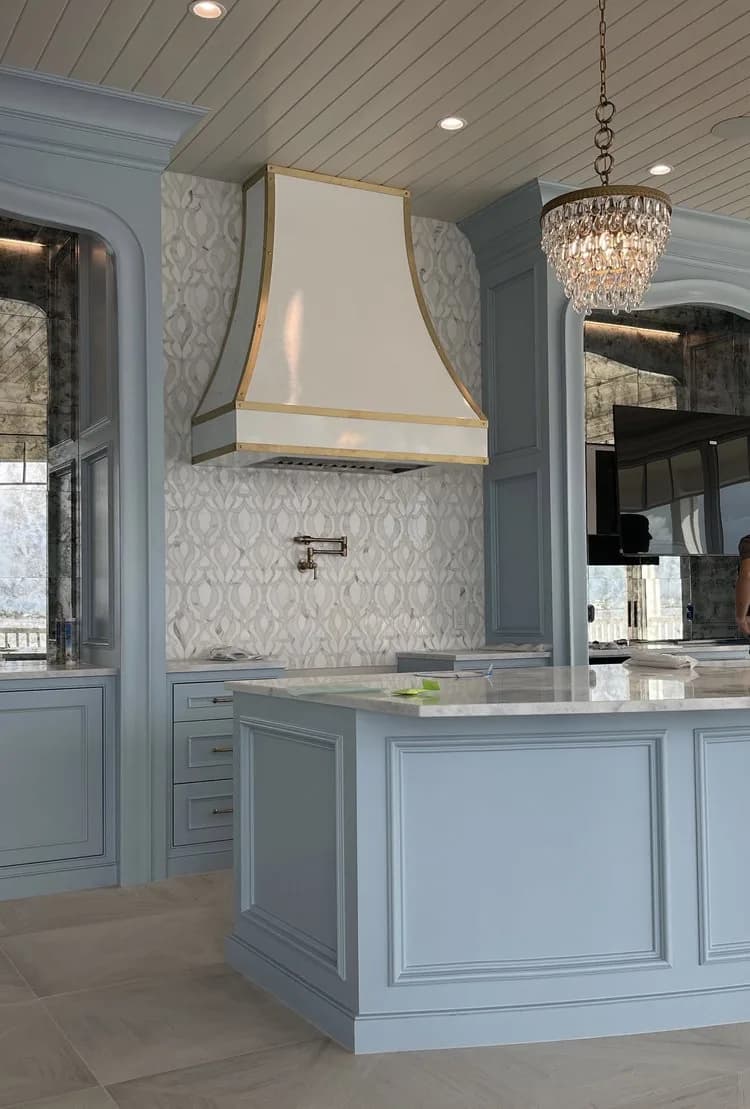
It is the first question every buyer asks and the hardest one to answer with a single number, because “custom range hood” covers everything from a $900 stock unit to a $20,000 one-of-one copper centerpiece. Here is the honest version.
A handcrafted, made-to-measurement metal hood from a true custom shop typically runs $5,500 to $20,000 or more for the shell, which is the range Monarch publishes in its FAQ. Across the industry, stock hoods start around $600 and run up to $5,000 for high-end stock, semi-custom designs land between $4,000 and $11,000 depending on size and material, premium fully custom work runs $5,000 to $15,000, and trophy or heirloom pieces climb to $15,000 to $25,000. Where your project lands depends on five things: the metal, the size, the finish, the detailing, and the complexity of the shape.
The four tiers, honestly described
Stock and catalog ($600 to $5,000). Mass-produced stainless hoods in standard widths. High-end stock lines can reach $5,000. You pick from a catalog, it ships in days, and it looks like thousands of other kitchens. Fine for a budget refresh, wrong for a kitchen designed around the hood.
Semi-custom ($4,000 to $11,000). Made-to-order designs with preset shapes and sizes where you choose the finish and trim. This is Monarch’s semi-custom track: start from one of seven shapes, pick a preset size, personalize the trim level and finish. The price depends on size and material. Shorter lead time than fully custom, still handcrafted, still yours in a way stock never is.
Premium fully custom ($5,000 to $15,000). Any shape, any size, everything customizable, fabricated to your exact measurements. Copper and brass sit at the upper end of this tier because the material costs more and the fabrication labor runs longer. This is where most statement hoods for Texas luxury kitchens live.
Trophy and heirloom ($15,000 to $25,000). Large-scale pieces, specialty metals, mixed-metal banding, complex geometry. The hood as functional sculpture.
These are industry ranges drawn from published maker pricing and third-party tier breakdowns, not quotes. Your project gets its number from drawings and a formal quote, not from a chart.
The five things that move the price
1. The metal. Stainless is the most accessible custom metal. Copper and brass cost more per sheet and demand more shop time, which is why published copper custom pricing runs roughly $1,500 to $10,000-plus and brass $3,000 to $10,000-plus depending on size and complexity. Bronze and specialty finishes follow brass upward.
2. The size. A 60-inch island hood is not twice the metal of a 30-inch wall hood once you count the structure, the finishing labor, and the crating. Big hoods cost disproportionately more, and rightly so.
3. The finish. A hand-applied patina is hours of skilled labor: mixing, layering, heating, sealing, and judging the result by eye. Simple brushed finishes cost less than multi-stage antiqued or ombre work. No two hand-finished hoods come out exactly alike, which is the point, and the labor shows up in the price.
4. The detailing. Straps, rivets, banding, aprons, crowns. Each detail is another fabrication and finishing step. A clean modern slab costs less than a strapped, riveted showpiece in antiqued brass.
5. The shape complexity. A straight chimney is straightforward. Curves, arches, range alcoves, and fully bespoke geometry take real pattern-making time. If your inspiration photo has a shape nobody sells, budget for the pattern work.
What the quote usually does not include
Read every quote for what is missing, not just what is there. A custom hood quote typically covers the handcrafted shell only. Commonly separate: the ventilation insert ($450 to $4,500 depending on size and CFM), installation labor (one maker’s published guidance puts typical install at $200 to $600), ductwork modifications, electrical, and any makeup air equipment your city requires for hoods over 400 CFM. In Dallas, that last one is a code item, not an option. None of these are hidden costs; they are just different trades’ line items.
How Monarch pricing works
Monarch works quote-first. You send measurements, your range model, and inspiration. The studio returns drawings and a quote with shape, size, straps, rivets, and finish settled before anything is cut. The FAQ states typical investments of $5,500 to $20,000-plus, with a 50 percent deposit after you approve the quotation and no payment plans. Production typically runs 8 to 16 weeks depending on design complexity and materials, and the finished hood is crated and shipped anywhere in the country from the Garland, Texas studio. Supplier prices move, so quotes reflect current material costs.
That process is the reason to buy custom in the first place. You are not adapting your kitchen to a catalog. The hood is drawn to your room, and the price reflects exactly what is in the drawing.
Comparing quotes apples to apples
When you have two numbers in hand, check that each one answers the same questions: shell only or insert included, which metal and what gauge, which finish and how it is applied, exact width and depth, lead time in writing, and whether crating and freight are included. A lower number that omits the insert, the finish labor, or the freight is not actually lower.
Also weigh what does not fit on a quote sheet. Design, fabrication, and finishing under one roof means one team answers for the result. A 5.0 rating across 34 Google reviews means previous buyers felt the process matched the promise.
Texas custom hood cost questions
Why is the range so wide, from $5,500 to $20,000-plus?
Because “custom” describes the process, not the product. A small stainless wall hood in a simple brushed finish and a 60-inch strapped copper island hood in a hand-layered antique patina are both custom, and they share almost nothing in material or labor.
Is copper always more expensive than stainless?
In custom work, generally yes. Copper sheet costs more than stainless, and copper’s finishing, patinas, antiquing, hand brushing, takes more skilled time. Brass behaves like copper on pricing. If budget is tight and you love the warm look, ask about powder-coated steel options that echo the tone.
Do prices change after I receive a quote?
Supplier metal prices move frequently, which Monarch’s FAQ notes openly. An approved quotation with a deposit locks your project in. Get the quote, approve the drawings, and place the deposit rather than letting months pass.
Can I get a ballpark before committing to drawings?
Yes, and you should. A reputable shop can give you a realistic range from your width, metal preference, and inspiration photos before detailed drawings begin. The formal quote follows the drawings.
What payment terms are typical?
Monarch’s published terms are a 50 percent deposit after you approve the quotation, with no payment plans. Terms vary by maker, so confirm before you approve anything.
Does the price include installation?
No. Installation is handled by your contractor’s trades on site. Budget separately for the insert, the install labor, any ductwork, and makeup air equipment if your hood exceeds 400 CFM.
Get the number for your kitchen, not someone else’s
Cost guides get you oriented. A quote gets you an answer. Send your measurements, your range, and a photo of the look you want, and the drawing that comes back carries the real number.
Get a quote to start. Compare the semi-custom and fully custom tracks, browse materials and hand-applied finishes, and check lead times and process details.
Keep reading
- Specifying a Custom Range Hood: A Guide for NY/NJ Design TeamsA guide for NY/NJ designers, builders and cabinetmakers covering hood drawings, equipment, finishes, approvals and delivery coordination.
- Before You Order a High-Power Range Hood in New JerseyBefore ordering a powerful hood in New Jersey, coordinate the appliance, duct route, makeup air and custom canopy with your project team.