
Dallas, Texas
Range Hood Shell vs. Insert: What Dallas Renovators Should Know
Shop for a custom range hood and two terms keep showing up: shell and insert. Retailers use them interchangeably, contractors assume you know the difference, and quote sheets sometimes list one without the other. Here is the clean version.
The insert is the working guts of the hood: the blower, the grease filters, the lights, and the controls. The shell, also called the cover or surround, is the decorative metal body you actually see. In the custom world these are two separate purchases that get coordinated into one finished hood. Understand the split and every quote you read gets easier to compare.
What a ventilation insert actually is
A hood liner or insert is a self-contained ventilation unit built to drop inside a decorative surround. It holds the blower motor that moves the air, the baffle or mesh filters that catch grease, the lighting, and the fan and light controls. Most residential inserts run 28 to 60 inches wide and move 600 to 1,200 CFM. Retail pricing typically lands between about $450 and $4,500 depending on width, CFM, and brand, with names like Broan/Best, Zephyr, Bosch, Faber, Monogram, and Trade-Wind common in Dallas-area appliance showrooms.
Think of the insert as the engine. It does the ventilation work, and it is the part whose CFM rating decides things like makeup air requirements. Everything else about the hood, the shape over your range, the metal, the patina, the straps and rivets, is the bodywork around that engine.
What a shell (cover) is
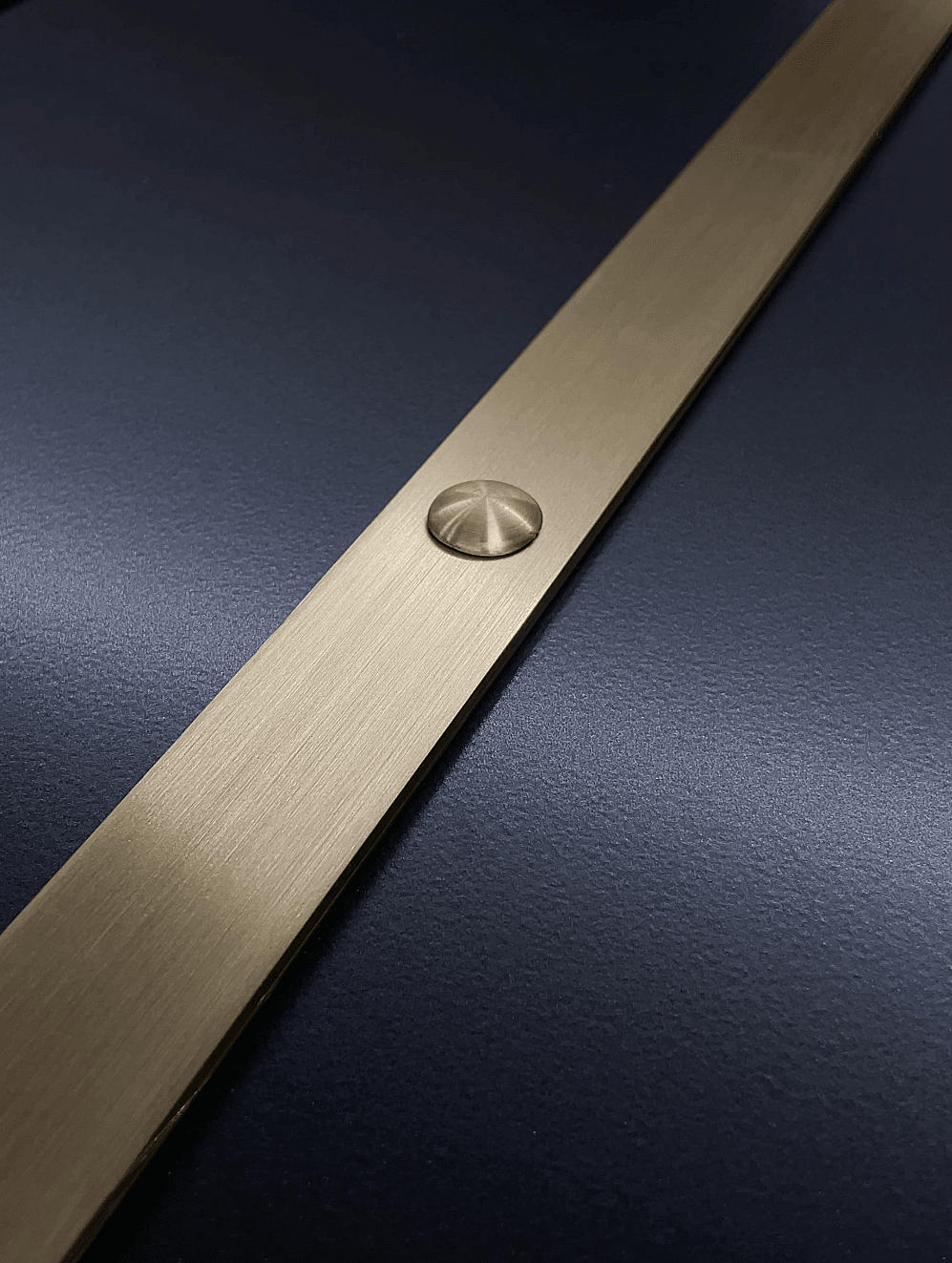
The shell is the visible exterior: a handcrafted metal body, drawn to your kitchen’s measurements and built around the insert you chose. This is what a custom metal shop actually makes. The shell sets the width, the depth, the canopy shape, the chimney or lack of one, the metal (copper, brass, bronze, stainless, or powder-coated steel), the hand-applied finish, and the strap and fastener details.
Because the shell is fabricated to order, it can do things a catalog hood cannot: match an unusual ceiling height, span a 48-inch pro range exactly, or carry a patina no stock line offers. The tradeoff is that the shell and the ventilation are separate line items, which surprises buyers who assumed one price covered everything.
Which one do you actually buy? Three paths
Path one: a complete unit from a single maker. Some manufacturers sell the decorative body with their own ventilation built in. One purchase, one warranty path, limited design freedom.
Path two: a custom shell plus a buyer-chosen insert. You commission the metal shell from a custom shop and pair it with an insert from a ventilation brand, often the same insert your appliance dealer recommends for your range. This is the path that gives you a one-of-a-kind exterior with proven, serviceable ventilation inside.
Path three: an insert inside a contractor-built surround. Your contractor or cabinetmaker builds a wood, plaster, or tile enclosure and drops an insert into it. No metal shop involved. Flexible, but the finish options are whatever the trades on site can execute.
Most buyers reading this blog are on path two, whether they know it yet or not. It is the standard way high-end Dallas kitchens get a statement hood: the metal artisan handles the visible craft, the ventilation brand handles the airflow.
How to coordinate sizing so the two fit
The insert must fit inside the shell with room to breathe and be serviced. Two rules of thumb from the ventilation side:
The insert should measure roughly 2 inches smaller than the hood opening it sits in, so it drops in cleanly and can be removed for service.
The insert should be at least as wide as the cooking surface, and wider is better for capture. One ventilation maker’s guidance suggests an insert about 10 inches wider than the range, with 4 inches as the minimum extra.
The shell, meanwhile, should extend 3 to 6 inches beyond the cooktop on each side for proper capture. A 36-inch range typically wants a 42-inch or wider shell. Decide the insert first, then the shell is drawn around it. Reversing that order is how projects end up with a beautiful hood and an insert that does not fit.
The order of operations that avoids rework
Choose the range. Its width and total BTU output drive everything downstream.
Choose the insert and its CFM. For gas, a common rule of thumb is total burner BTUs divided by 100. A 60,000 BTU range points at roughly 600 CFM.
Check whether that CFM triggers makeup air in your city. In Dallas, anything rated over 400 CFM does. Settle this before rough-in.
Commission the shell. Bring the insert’s exact dimensions and CFM to the design conversation so the metalwork is drawn around reality, not assumptions.
This sequence is also the quote conversation at Monarch. The Garland, Texas studio handcrafts every shell to the buyer’s measurements, and the design process settles shape, size, straps, rivets, and finish from drawings you approve before anything is cut. Bring your range model and your insert specs; the studio builds the metalwork around them and crates the finished hood for delivery anywhere in the country.
Why the split exists in the first place
Metal shops and ventilation makers are different crafts. A fabrication studio spends its days cutting, forming, welding, and hand-finishing metal. A ventilation company spends its days engineering blowers, testing capture, and certifying electrical components. The shell-plus-insert model lets each specialist do what it does best, and it means your blower is a standard, serviceable part your local appliance tech can maintain ten years from now.
That division is also why “handcrafted” claims deserve scrutiny. A truly handcrafted hood is fabricated to your measurements by metal artisans, with finishes mixed and applied by hand. Ask who builds the shell, where, and whether the finish work is done in-house. At Monarch, design, fabrication, and finishing all happen under one roof in Garland, which is why the studio can take on a shape nobody has built before and still answer for how it turns out. The 5.0 rating across 34 Google reviews suggests buyers notice the difference.
Shell vs. insert questions
Can I reuse the insert I already have?
Often yes, if it fits the new shell’s opening and its CFM suits the range. Bring the insert’s brand, model, width, and depth to the design conversation. The shell will be drawn around those exact dimensions.
Does the price of a custom hood include the insert?
Usually not. Custom metal shops quote the handcrafted shell; the insert is a separate purchase from an appliance dealer or ventilation brand. Always ask what a quote covers before comparing numbers.
What CFM insert should I pair with a 36-inch gas range?
Start with the BTU rule of thumb: total burner BTUs divided by 100. A typical 36-inch pro-style range totals around 60,000 BTU, which points at roughly 600 CFM. Confirm with your appliance dealer, and remember that anything over 400 CFM triggers makeup air planning in Dallas.
Who installs the insert and the shell?
The insert is typically set by your HVAC contractor or appliance installer and wired by your electrician during rough-in. The metal shell hangs after the finished wall and backsplash are in. Your general contractor sequences the two trades.
Can the shell be any metal I want?
Monarch works in 304 stainless steel, copper, brass, bronze, and carbon steel (the base for powder-coated finishes), each with hand-applied patina options. See the full materials and finishes guide for what each metal does in a real kitchen.
What if I want a recirculating instead of ducted setup?
Say so at the start of the design conversation. A recirculating insert changes the shell’s internal requirements, and it is far easier to design for it up front than to adapt a ducted shell later.
Start with the insert decision, then design the hood around it
The buyers who get the best results are the ones who treat the shell and the insert as one coordinated decision made early. Pick the range, pick the insert, confirm the ventilation plan, then commission metalwork drawn to fit it exactly.
Ready to start the design side? Get a quote with your range model and insert specs. Compare the two ways to bring home a Monarch hood, and check the FAQ page for lead times, pricing, and process details.
Keep reading
- How Much Does a Custom Range Hood Cost in New York?What a handcrafted range hood costs in New York, what drives the price, and how the NY/NJ team handles delivery and installation coordination.
- How Much Does a Custom Range Hood Cost in Texas?What a handcrafted copper or brass range hood really costs in Texas, from stock to fully custom, and the five things that move the price.